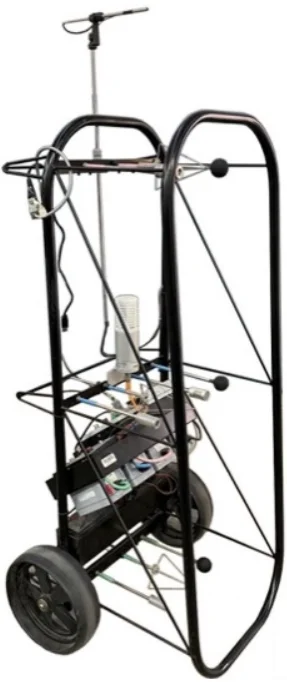
Thermal Comfort Carts
2× ISO 7730 / ASHRAE-55 compliant carts measuring PMV, PPD, operative temperature, and draft risk.
Powering Comfort
A purpose-built, full-scale realistic room for testing innovative building products in real-world conditions.
Built for In-Situ Research
Across our published papers and research, we refer to this facility as the TESTCELL. It's more than a simulation room. It's a calibrated, full-scale instrument for in-situ testing of innovative product prototypes.
The vision of our TESTCELL is to examine how products behave under the full spectrum of renewable energy generated, consumed, and the ultimate comfort level, all accomplished in the room in accordance with international standards.
This north-facing facility replicates the thermal behaviour of a real occupied space. A 7.5 m² glass wall, walls insulated to Australian standard, and high-standard instrumentation throughout.
The Facility
Purpose-built in Geelong to replicate the thermal reality of a live occupied space.


Testing Standards
Thermal Environmental Conditions for Human Occupancy. The comfort benchmark used globally for building system evaluation.
Ergonomics of the thermal environment. PMV, PPD, and draft risk metrics applied across sampled occupant positions.
Heating, cooling, and mixed-mode tests across a range of outdoor conditions, not just a steady-state chamber.
Instrumentation
From thermal comfort carts to heat flux sensors, every channel is logged continuously for full-run analysis.
2× ISO 7730 / ASHRAE-55 compliant carts measuring PMV, PPD, operative temperature, and draft risk.
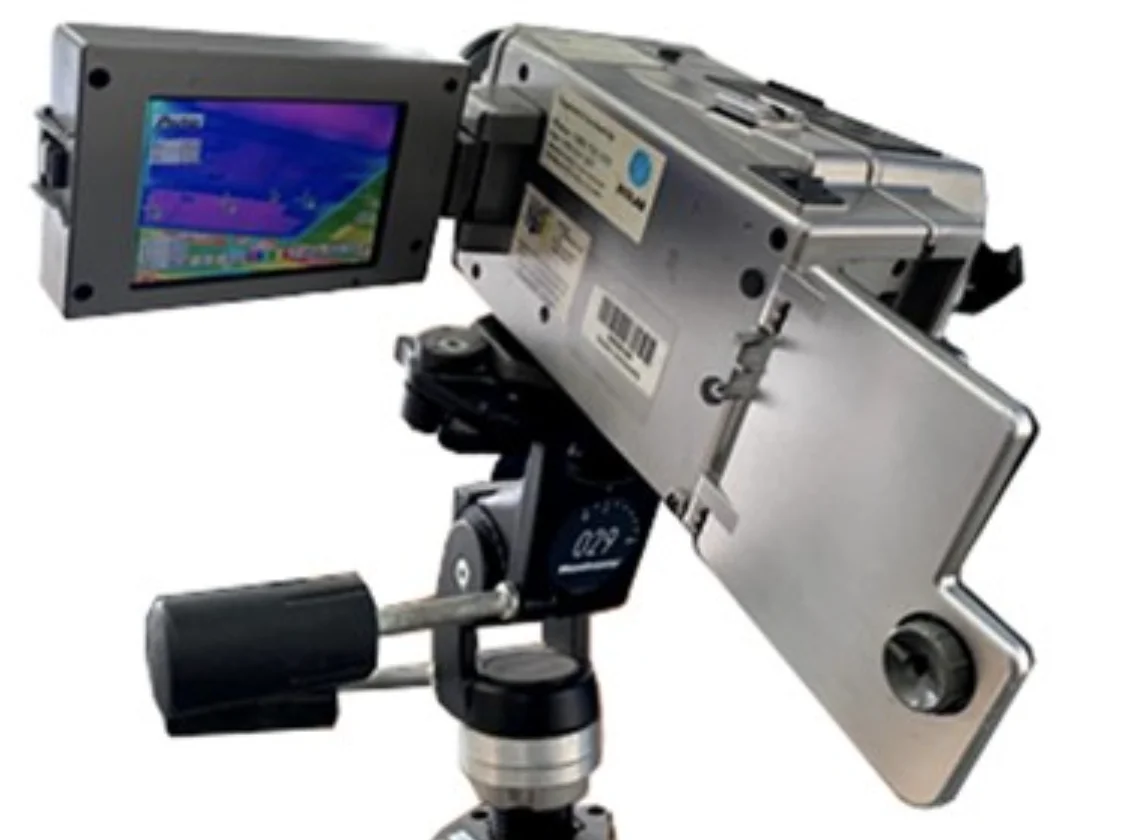
Captures surface temperature distributions across walls, ceilings, and test products.
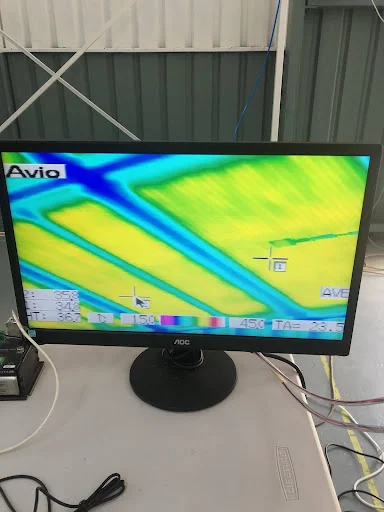
Real-time visualisation of thermal data during a test run for rapid iteration.
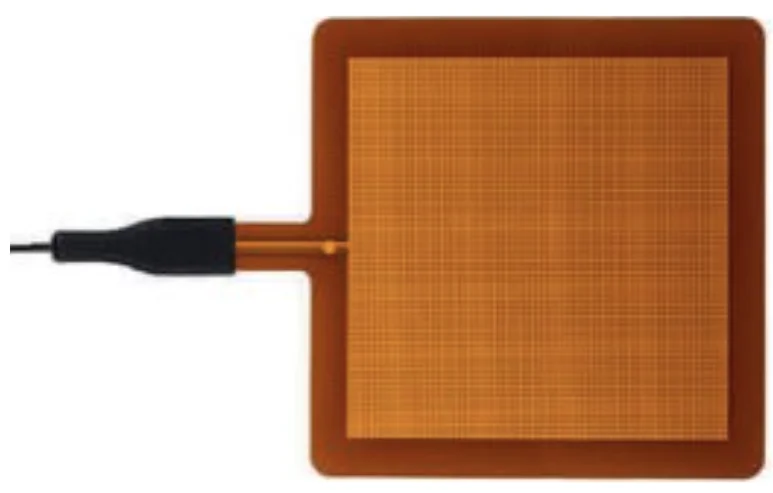
Hukseflux FHF-series sensors measuring heat transfer through assemblies and panel surfaces.
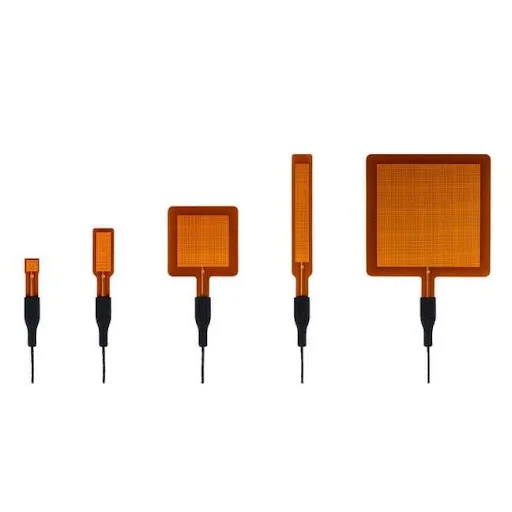
Distributed air-temperature measurement across vertical and horizontal planes.
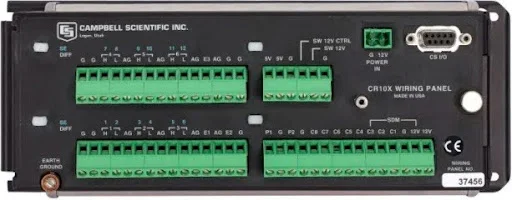
Campbell Scientific CR10X continuously logs every sensor channel for full-run analysis.
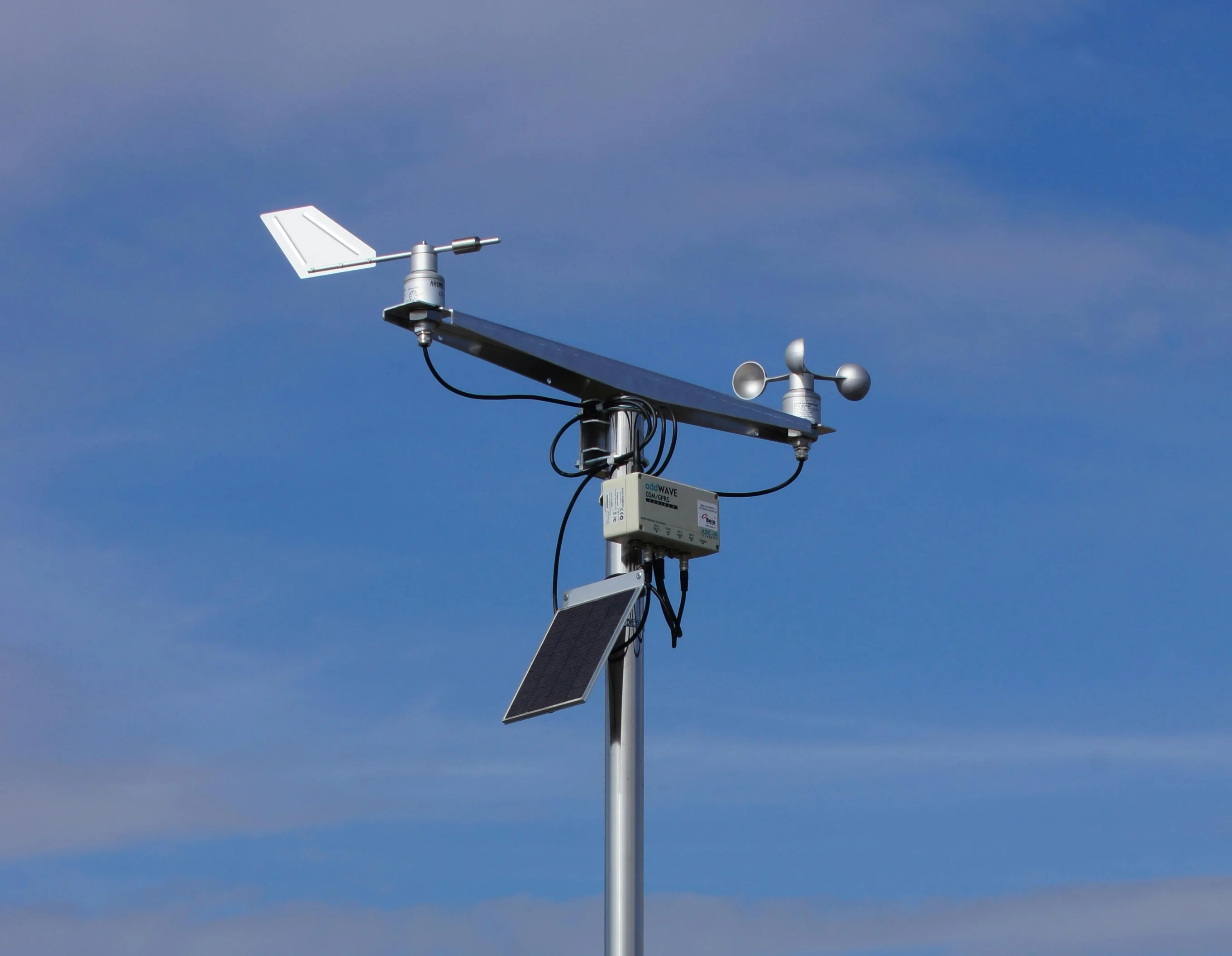
On-site monitoring of outdoor conditions: ambient temperature, humidity, solar radiation, wind.
Powered by Renewables
The TESTCELL is powered entirely by our own Environmental Service Pod (ESP), run on renewable (solar PV) energy. The ESP is a modular, prefabricated unit that consolidates every energy service into one system.

Integrated Complete System
One closed loop: solar generation, heat-pump conversion, thermal storage, distribution, delivery.

How Testing Works
We characterise the room's thermal behaviour without any conditioning system active. This is the reference signature every test is measured against.
The product under test is installed exactly as it would be in a real building. No lab shortcuts.
Heating, cooling, and mixed-mode tests run across a range of outdoor conditions to capture real performance.
Every sensor channel logs continuously: comfort metrics, energy consumption, and system response times.
Results are compiled into a performance report with recommendations you can act on. Every test also feeds back into EES R&D, so we learn from each run and refine our own products.
Research Programme
Currently in test: our modular hydronic ceiling panel innovation. The first system of its kind designed for standard Australian ceiling grids.
Coming next:

The TESTCELL
The TESTCELL is a full-scale, instrumented room constructed inside the workshop. It's not a sealed laboratory chamber. It's built to behave like a real occupied space, with solar gain through glass, ventilation, and thermal mass. That's the point: we test under the same conditions our products will face in the field.
Every element was designed and constructed in-house: steel framing, insulation, glazing, ceiling grid, plumbing, and instrumentation. The room is aligned to ASHRAE-55 and ISO 7730 testing standards.
The Build
From steel studs to a fully instrumented simulation room. Every element was designed and constructed in-house.

The room was framed from steel studs to Australian Standard specifications. A permanent structure with proper wall and ceiling framing, not a temporary enclosure.

Building wrap membrane applied over the full structure. The room sits inside the larger workshop but is thermally isolated from it. It behaves as an independent building envelope for testing purposes.


A 7.5 m² commercial-grade double-glazed window was installed on the north face to simulate worst-case solar gain. R2.0 batt insulation throughout all walls. The window is the most thermally challenging element in any real building, so we built around one.


Hydronic ceiling panels were installed into the standard 600 × 1200 mm suspended ceiling grid. The ceiling is divided into bays, each fitted with a different architectural finish, allowing direct comparison of surface performance under identical conditions.


PPR (polypropylene) piping with brass fittings connects each panel to the central manifold. A system-wide flow meter provides feedback control across the entire circuit. The hydraulic system runs on 24 V DC for safety.


The finished TESTCELL: a fully enclosed, instrumented room with timber flooring, finished walls, suspended ceiling, and full environmental monitoring. Hydraulic equipment and water storage sit immediately outside the room for short pipe runs and minimal thermal losses.
On-Site Workshop
Alongside the TESTCELL, our in-house workshop fabricates the panels and components required for each experiment, enabling rapid iteration from prototype to tested product.

Partner With Us
We're open to assisting or partnering with those developing innovative building products. Bring us your prototype. We'll put it through its paces.
Get in touch →